
Income tax UK: Rachel Reeves U-turns on tax rate rises at 2025 Autumn Budget - what it means for your money

A last-minute switch raises fresh questions about who will really shoulder the fiscal burden 💰
- Rachel Reeves has reportedly ditched plans to raise income tax rates ahead of the November 26 Budget
- The U-turn follows fears of voter backlash, Labour unrest, and growing instability in No 10
- Instead, the Treasury is exploring ‘stealth’ options like cutting or freezing income tax thresholds.
- These changes could still mean higher tax bills for millions despite headline rates staying the same
- A mix of smaller tax rises and loophole crackdowns is now expected to plug the fiscal gap
For weeks, rumours have swirled that Chancellor Rachel Reeves was preparing to break Labour’s flagship manifesto pledge and hike income tax to plug a huge gap in the public finances.
Now, less than two weeks before the November 26 Budget, the reports have flipped; the Chancellor is reportedly abandoning that plan and swapping what could have been one of the most contentious tax rises in years for a patchwork of smaller measures.
For millions of taxpayers already squeezed by frozen thresholds, and rising rents and grocery bills, the rumour that Reeves was preparing to hike income tax rates was a source of great anxiety.
But while income tax rates may survive intact, that doesn’t mean people’s tax bills won’t rise, and under alternative options reportedly on the table, many Brits could still end up paying more.
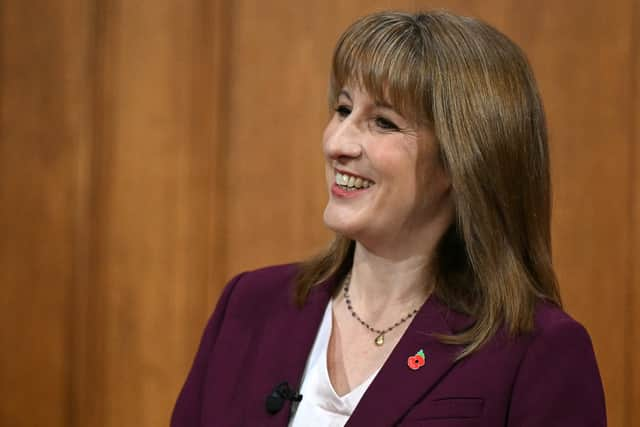

Are income tax rises really off the table?
Reports suggest that Reeves’ decision was quietly communicated to the Office for Budget Responsibility (OBR) mid-week, when the Chancellor submitted her list of the “major measures” for inclusion in the Budget.
Politically, a tax rise on earnings would have broken Labour’s clear manifesto pledges not to raise income tax, National Insurance or VAT.
According to the Financial Times, fears of voter anger, a rebellion among Labour backbenchers, and growing political instability within Downing Street appear to have forced a last-minute retreat.
Labour’s own backbenchers were already uneasy, with deputy leader Lucy Powell warning it would erode “trust in politics”. Voters, still feeling the bite from the last decade’s stagnating wages, would likely have responded badly too.
Bloomberg’s Alex Wickham reports that Reeves had been unable to finalise a set of Budget measures because of disagreements with the party, leaving her with two versions: one featuring income tax rises, and one featuring a “smorgasbord” of smaller hikes instead.
Ministers themselves have been careful not to directly confirm the U-turn; Culture Secretary Lisa Nandy repeatedly refused to say the plan was dead, insisting only that Reeves “won’t play fast and loose with people’s money”.
The Treasury has so far offered no public clarification, but MPs, journalists and economists widely believe the reversal is real.
The Conservatives quickly seized on the alleged reversal, with leader Kemi Badenoch calling the U-turn “good (if true)” but attacking Reeves for a Budget “built on broken promises”.
The Liberal Democrats described the retreat as an “11th-hour screeching U-turn”.
What might change instead?
Though the headlines trumpet a retreat on income tax, tax payers may not be able to fully relax just yet, with Treasury watchers pointing to more subtle mechanisms Reeves could implement to plug the fiscal gap.
The Chancellor is reportedly exploring the option of freezing or reducing income tax thresholds while keeping the headline tax rates the same.
Economically simple and politically convenient, when thresholds fall or fail to rise with wages, more of your income gets dragged into a higher tax band.
This “stealth tax” has been used repeatedly in recent years because it raises billions without ministers technically breaking tax-rate pledges.
What does it all mean for me?
Lowering thresholds while freezing them in cash terms means:
- More people paying tax at all, as earnings rise but the personal allowance does not.
- More people paying higher-rate tax, even if they don’t feel higher-income.
- A quiet but persistent rise in your tax bill, without any statement that “taxes have gone up.”
In practical terms, many households may not feel “saved” by the U-turn at all, and for the average Brit, it could mean:
- A bigger portion of their income taxed at 20% rather than 0%.
- More middle earners dragged into the 40% band.
- Higher bills year-on-year even if wages stagnate.
For the average worker, the impact can be just as large, if not larger, than a small rise in the basic rate.
Someone earning £32,000, for example, would see more of any pay increase taxed at 20% or even pulled closer to the 40% band if thresholds are tightened again.
What else might change?
If Reeves has ruled out raising income tax rates, she still needs to close a significant fiscal gap.
Beyond thresholds, Reeves is also reportedly looking at:
- Targeted tax rises elsewhere – possibly on capital gains, second homes, or other “small but numerous” revenue sources.
- Bank windfall taxes – pushed by the Lib Dems, though politically contentious.
- Business tax adjustments, though Labour is cautious about investor confidence.
- Clamping down on tax reliefs and loopholes, potentially raising billions without formal tax hikes.
None individually deliver the scale of revenue an income tax rate rise would have provided, but together they may help meet her self-imposed fiscal rules.
All also ultimately feed back to households, either directly or through higher costs passed on by businesses.