
CQC finds improvements are needed following inspection of urgent and emergency services at Calderdale Royal Hospital
The Care Quality Commission has downgraded the rating of urgent and emergency at Calderdale Royal Hospital, ran by Calderdale and Huddersfield NHS Foundation Trust, from good to requires improvement.
Calderdale Royal Hospital provides urgent and emergency care services to the population of Halifax and the wider community. The inspection in February, was carried out as part of CQC’s wider inspection of the trust’s leadership which published in June.
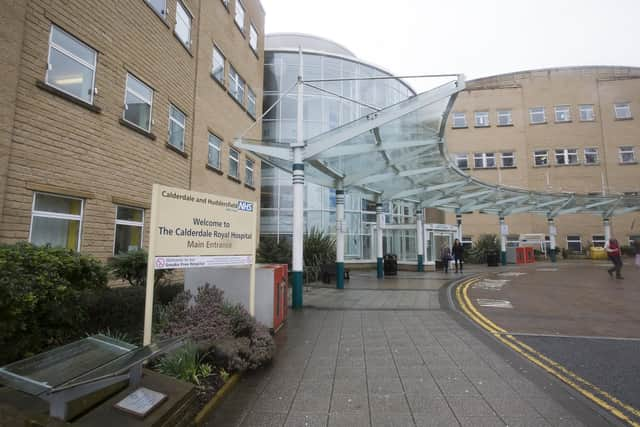

Following the inspection, CQC has rated caring, responsive and well-led as good again, and safe and effective have dropped from good to requires improvement.
Gill Hodgson-Reilly, CQC deputy director of operations in the north-east, said: “When we inspected urgent and emergency care at Calderdale Royal Hospital, we found staff were kind and working hard to meet people’s needs under considerable pressure. However, they weren’t always able to do so due to staffing shortages which leaders must address to ensure people receive safe care.
“Staff told us they didn’t have enough time to provide the quality of care people deserved and often missed breaks to meet demand. We saw some people waiting a long time for pain relief and one person had asked for a drink several times but never received one. They said they felt forgotten about and burdensome.
“We saw teams working together to free beds and anticipate upcoming busy periods to improve the flow of people getting treatment once in A&E. However, there were still long waits with some people were waiting for over 24 hours.
“Professional standards state that specialty doctors should review people within an hour of a request, but this didn’t always happen which resulted in delays and contributed to poor flow.
“Staff didn’t always complete falls risk and bed rail assessments for people at risk of falls, and we observed people with bed rails raised without risk assessments. Inappropriate use of bed rails can increase harm if people become entangled or attempt to climb over them.
“It was positive that leaders acknowledged the need to strengthen how the department reacted to deteriorating patients and was working on implementing a new electronic system which reminds staff when observations are required.
“We have told leaders where we expect to see rapid, and continued improvements and will continue to monitor the service closely to keep people safe during this time.”
Inspectors found:
– Leaders must ensure rooms used for people experiencing mental health difficulties are safer. Some had ligature risks and contained fixtures or items which could be used for self-harm.
– Inspectors observed visitors being allowed into the paediatric emergency department without security checks about their reason for attending. This meant people could enter inappropriately, increasing the risk to children and their families.
– Several staff raised concerns about the remoteness of the SDEC (same day emergency care) unit because there were no emergency call bells and staff said they felt isolated from the main department.
– Staff didn’t always ensure people were given their medicines at the right time. This included time critical medicines such as those for the treatment of Parkinson’s Disease.
– Staff didn’t always ensure infection prevention measures were followed in the department.
– Managers ensured support was available to staff after a difficult event or incident, and staff said they felt supported by leaders and colleagues.
– Staff identified and recorded people’s cultural needs, such as language and dietary requirements, and aimed to meet these needs.
The report will be published on CQC's website in the coming days.
Rob Aitchison, Chief Executive of Calderdale and Huddersfield NHS Foundation Trust, said: "We are disappointed that the rating for urgent and emergency care at Calderdale Royal Hospital has moved from good to requires improvement. While it is reassuring that inspectors recognised the kindness, professionalism and commitment of our colleagues, and again rated caring, responsive and well-led services as good, it is clear there are areas where we must improve.
"The report highlights challenges that will be familiar across urgent and emergency care services nationally, including increasing demand, patient flow and workforce pressures. The inspection took place during February, one of the busiest times of the year for urgent and emergency care, when services were managing significant seasonal demand. However, we fully accept the findings and are already taking action to address the issues identified."
"This report underlines why we cannot continue to do things in the same way. Through our Foundations for our Future programme, we are transforming how we deliver care, creating more sustainable services, stronger clinical pathways and better environments for both patients and colleagues.
"A key part of that transformation is the development of our new Emergency Department at Calderdale Royal Hospital. This significant investment will help us provide safer, more responsive care, improve patient flow and create facilities that are fit for the future.
"We remain committed to learning, improving and working with our colleagues, patients and partners to deliver the high-quality urgent and emergency care that our communities deserve."