
Calderdale Council leader promises to 'shift' away from maximum council tax rises
Calderdale Council’s leader has strongly hinted residents will not have to pay the maximum council tax rise next year.
Setting out the case for his Reform UK administration’s corporate plan for the next three years, Councillor Daniel Sutherland said value for money was the first of five priorities.
A majority of councillors approved the plan, which will now become the council’s guiding document.
Crossing swords with the Labour Party – which he was part of for 15 years until he defected to Reform last year – Coun Sutherland (Illingworth and Mixenden) said: “Too often there has been an attitude that we can spend the money however we see fit without consideration whether it is necessary.
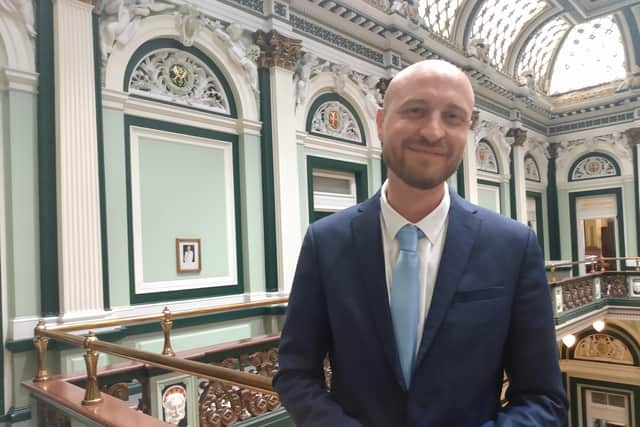

“We will be shifting away from the previous approach of maximum council tax rises being imposed on the people of Calderdale.
“We are told frequently there is no alternative – but we will demonstrate that there certainly is.”
Leader of Calderdale Labour Adam Wilkinson took issue with Reform’s characterisation of the previous Labour administration of being wasteful in spending and “constantly this picture of Calderdale being broke, and everything’s terrible – I just do not recognise that description of it,” he said.
A lot of the plan was a confirmation of what the previous administration had been doing, for example, new anti-social behaviour powers, commitment to new SEND schools and tackling fly-tipping, but there were concerns about “glaring” omissions in the new plan, including poverty and climate, he said.
Coun Wilkinson said where some councils had had to declare Section 114 notices – effective bankruptcy – or ask for emergency help from Government. Calderdale had balanced the books.
Coun Sutherland said Labour had left a £7.9m overspend which had used “almost all our rainy day funds” and there was “a need to get a grip” before heading down the path towards council “bankruptcy”.
Regarding the comments about referencing poverty in the strategy, the poorest wards in Calderdale were those that had “rejected Labour more emphatically than other wards,” he claimed.