
Josh Fenton-Glynn MP: The NHS was once the envy of the world, but it’s fallen behind
In early September an independent report by Lord Darzi was published on the state of the NHS. The report makes sobering reading: cancer treatment delayed, people dying unnecessarily in A &E, GP appointments hard to find, and patient concerns going unheard.
Josh Fenton-Glynn MP writes: Lord Darzi is clear that the cause of the issues was not the pandemic; it dates back to Conservative Health Secretary Andrew Lansley’s controversial NHS reform package of 2012.

Everyone agrees the NHS would work better if people could get care closer to home. We need to make that a reality. Since 2006 the amount of NHS budget going to hospitals has increased from 47 per cent to 58 per cent. Money simply ends up in the wrong place to offer good and effective care.
Why is it so hard to get a GP appointment?
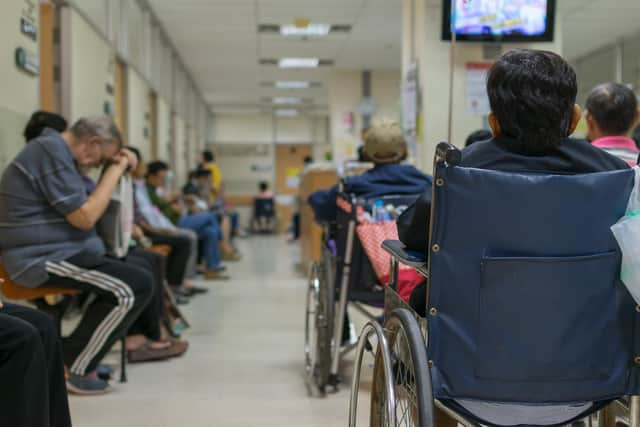
At every level, the health service is underperforming. Anyone who has tried to get a GP appointment lately will know this. We have 16 per cent fewer qualified GPs than comparable economies. GPs are seeing more patients than ever, but people still struggle to get the support they need. This is a national problem, 33 per cent of patients are waiting over a week for an appointment. And in GP walk-in centres the story is even worse. Waiting times for urgent appointments have doubled since 2012, and now stand at an hour and a half. GPs and their staff are working under intense pressure. We see the local impact of this when practices like the one in Todmorden close despite clear demand.
GP crisis hits A&Es
When people aren’t able to see their GP they end up going to A&E, and waiting times there increase to unacceptable levels. In a debate on the Darzi report I asked Health Secretary Wes Streeting about the scandal of a figure given of 100,000 infants (under three) who waited over six hours in A&E last year.
Average waiting times for those over 65 have nearly doubled over the past 15 years, from just over three hours to nearly seven. This isn’t just frustrating to those waiting for care, it’s part of a slow tragedy. The report quotes the Royal College of Emergency Medicine’s estimate that there are 14,000 unnecessary deaths each year because of waiting times in A&E. To put that figure in context, it represents more than double the number of deaths in our armed forces since the end of the Second World War.
What can we do?
In my time as Cabinet member for social care on Calderdale Council I learned many people want to be treated at home. That leads to better outcomes and saves the NHS money. The Darzi report says 13 per cent of beds currently occupied in hospital could be freed up if people were able to be treated at home. Statistics by Age UK quoted in the report also suggest that 2,000 people admitted to hospital every day could be treated better elsewhere.
In my recent maiden speech, I said I’m proud to have been elected in a Labour government who are committed to getting to grips with social care. Hospitals carry out vital work, but good care is equally important in making people’s lives better. And I will be using my time in Parliament to fight for a National Care Service that places proper value on that care work.