
Calderdale's new waste service will cost nearly £1 million a month
New arrangements for Calderdale’s waste collection will cost just shy of £1 million a month, according to briefing papers.
Calderdale Council overview and scrutiny committee members will be updated on Thursday (June 25) on work carried out ahead of mobilisation in late July, and are asked to consider the proposed approach and make any recommendations for cabinet to consider.
In November 2024, the council’s cabinet resolved that the council should enter into a joint venture arrangement with the Norse Group for the delivery of waste and recycling services, commencing on August 1, 2026, after the current contract with operator Suez runs out.
Calderdale Norse Ltd is the result.
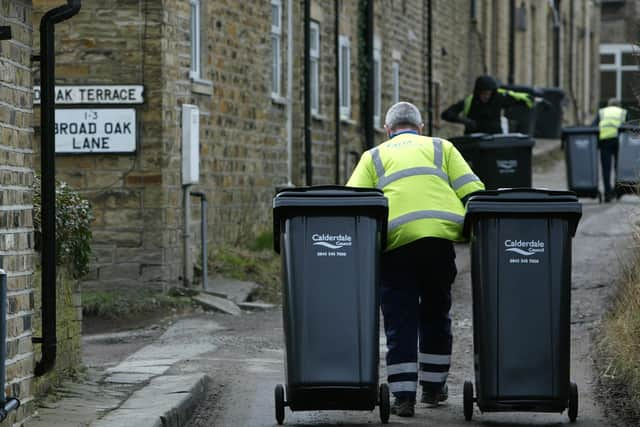

Initially the partnership deal is for eight years, with an option to extend for a further eight years if that is agreed by both parties.
The new partnership will be dealing with more than 140,000 waste and recycling collections offered per week, recycling being collected weekly and general waste fortnightly.
After crunching the figures, and taking into account costs and interest payments for money borrowed by the council to buy the new fleet, which councillors have heard was needed, the monthly cost of the new service will be around £975,000 a month – £11.7 million a year, according to the briefing papers for councillors.
This is lower than the average of around £1.06 million a month under the current arrangement in 2025-26 – £12.7 million a year – which has burst the budget, though there are reasons.
Ten years ago when the current agreement began the cost was around £600,000 a month – £7.2 million a year – but a number of factors have seen costs rise costs since, the councillors are told.
These include increased salary costs to help retain drivers, spiking fuel costs initially by the Russia-Ukraine conflict and more recently by the Iran conflict, higher inflation since the pandemic and additional costs incurred as the fleet vehicles became older and have required more maintenance or hired alternatives brought in to cover vehicle downtime, according to the report.
When the changeover happens, the aim is that people will not notice, a “lift and shift” basis allowing for a smooth transition, minimising any disruption.
“There are no significant changes to service provision planned and as the collection methodology will remain the same – the only noticeable difference to residents will be newer, more efficient vehicles and different uniforms for staff who transfer to the new joint venture company,” according to the papers.