
"Many people are already living on the breadline" - Concerns over how people will cope with energy price cap rise
The cost-of-living crisis will pinch people's pockets once more when the energy price cap increases next month.
People and businesses across Calderdale will face a four per cent rise in gas and electricity bills, resulting in the highest energy prices for the last three years.
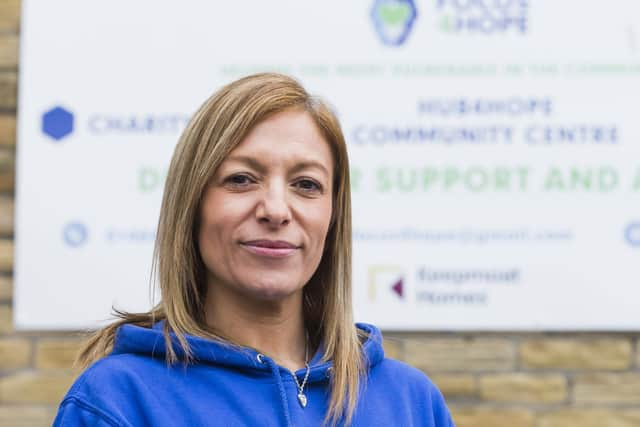

With the winter months looming, Louise Reed, founder of Brighouse based Focus4Hope, says she is very concerned about the continued rise in utility bills and deeply worried about how people will manage their finances.
"Many people are already living on the breadline and struggling to make ends meet, so we are particularly concerned about the impact this will have as winter approaches and households need to put their heating on," she said.
"The wider picture is extremely worrying. Recent research from Citizens Advice found that more than 10 million households - 37 per cent of people - are worried about how they will afford their energy bills this winter, while around 3.5 million households are already in energy debt.
"Energy UK has also warned that household energy debt has reached record levels, with more than three million customers now in debt or arrears and average debts of around £1,800.
"As a Centre for Warmth in partnership with Northern Gas Networks, we have trained staff and volunteers available to provide energy advice and support. We also run our Better Lives drop-in every Friday, where people can access a range of services designed to help them through difficult times which runs from 9.30am to 12am.
"In addition, we are launching a budgeting course with Money Buddies on 22 September at 12:30pm to help people better manage their finances and build confidence in budgeting.
"We are doing everything we can to support our community, but there is no doubt that many people will face significant challenges in the months ahead."
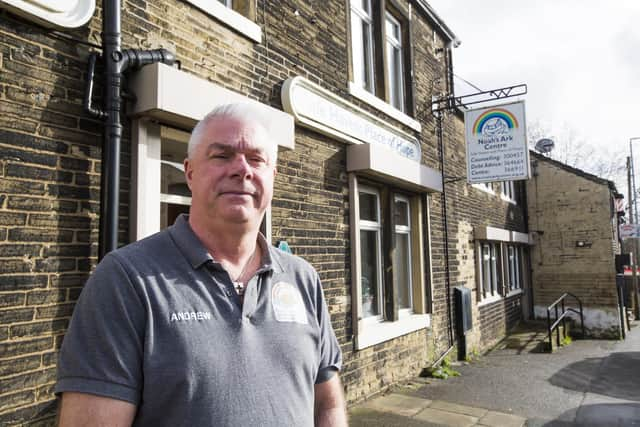
The concerns expressed by Louise are echoed by Andrew Sykes, from the charity Noah's Ark Centre in Ovenden.
"Whilst the cap will go up around £60 a year - so £5 a month which isn't a huge amount - what it also does is fuel inflation," he said.
"Increased inflationary pressures means the Bank of England is less likely to reduce interest rates and will be forced to hold them or even increase them. That places a higher burden on both homeowners and businesses.
"In the context of mitigation, there's still a lot people can do to deal with cost-of-living issues. Noah's Arks' money advice projects do more than any other organisation both locally and regionally to support people facing financial difficulties. We take clients who are often in crisis and make them more resilient both financially and emotionally.
"Our average client is now £15,500 in debt. Many are losing up to £100 per month from their Universal Credit for forced third party debt repayments. Others are using food banks so they can keep up with loan and credit card payments."
Andrew says if people are in debt, they should seek debt advice.
"Get a benefit check through a site like Turn2Us or Entitled To. You'd be surprised how many people aren't getting everything they're entitled to," he said.
"And with benefits advice, if you find out you're not getting everything, get expert help to claim it.
"We deliver our Budget Like a Boss course 18 times a year. It's a sad fact that people simply can't budget, can't properly manage their money. We show them how.
"There are 1.2 million households in the UK have no flooring down. Carpets and underlay have a high TOG value and can save 15 to 20 per cent on heating costs. We've carpeted 1,000 Calderdale homes in the last three years.
"All of the big telecom companies offer something called a 'social tariff' for people on low income or benefits. This can cut bills dramatically.
"All the major mobile networks have a cheaper, budget SIM that's no different. For example, O2 has GiffGaff, Three has Smarty, Vodaphone has Voxi.
"You can get a free home energy survey through somewhere like Ground Works' Green Doctor service. They can save you money by reducing your energy consumption.
"There's been a boom in recent years with people renting white goods such as washers, fridge freezers, cookers etc. Grants can be available to purchase one outright so you can become an owner not a renter.
"Above all though, we advocate a needs not wants based approach to life. Far too many people want things they can't afford.
"They need to ask themselves, "do I need it, can I afford it?" and have honest conversations about the things they want as opposed to the things they need."
Age UK helps more than seven million older people across the UK every year through advice, practical services, and campaigning.
Rachel Horner, chief executive of Age UK Calderdale, said: "The announcement will worry many older people who are already struggling with rising costs and have nothing left to cut back on.
"We regularly meet residents who are making difficult choices about heating, eating and staying well, and another price increase will push some into real hardship.
"We’ll continue doing everything we can to help older people maximise their income, stay warm and access the support they’re entitled to.
"We can support people to claim pension credit to increase their income, and connect them to wider services that keep them safe and well. We also work closely with local partners to make sure those in crisis can access urgent support."
Matthew Browne, landlord of the Robin Hood Inn at Pecket Well, says businesses such as pubs will feel the pinch when energy price rises come into force.
"We're quite lucky because we signed up to a three year deal before the prices escalated again," he said.
"In the past I haven't liked fixed deals but it seemed safer to do that because you don't know what's going to happen.
"It was just before the conflict in Iran we signed up, which was good timing really.
"It is something that everyone's had to deal with because, on your profit margins, it's a bigger percentage than it used to be.
"Over the last four or five years, pubs have had to get used to that and I think that's a big argument for a cut in VAT, which I think would be the big thing that would help the industry, if that was lowered from 20 per cent.
"Even if it was 15 per cent, it would make a huge difference across the industry because of the rising costs.
"All that cost goes onto your food and all your purchases. Everything gets delivered so you get delivery charges, and the breweries are having to deal with extra energy costs as well.
"But if VAT came down, it would be a big lifeline for a lot of pubs, whether it's because we could charge lower prices to encourage more custom or the cost saving, either way it would benefit us.
"That's where the problem is, I believe."