
'Getting that balance right is really important': How council is working with Yorkshire Water to prevent flooding, pollution and drought in Calderdale
Partnership working will be key to clearing up Calderdale’s polluted waterways and bringing improved flood resilience, councillors heard.
Coun Katie Kimber (Lab, Luddenden Foot) asked senior Calderdale councillors what steps the council was taking to hold water companies to account for its role in both drought resilience – given its recent hosepipe ban – and flood risk management.
“Can the council clarify how it is working with Yorkshire Water and regulators to ensure investment in infrastructure, nature-based solutions and climate adaption keep pace with the increasing challenges of both scarcity and flooding?” she said.
Cabinet member for Climate Action and Housing, Coun Scott Patient, said the council was engaging with Yorkshire Water and relevant regulators to ensure “robust” investment in their infrastructure.
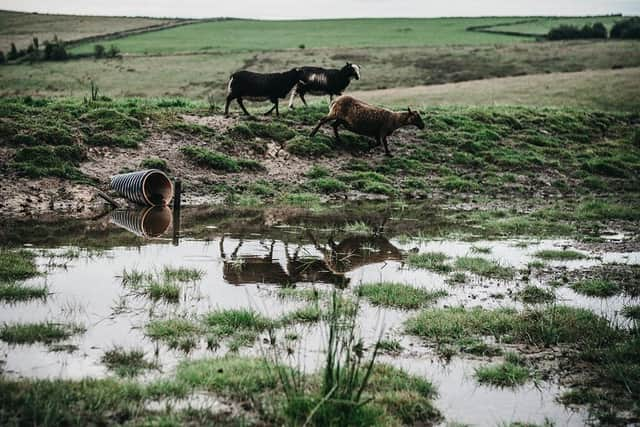

This included nature-based solutions and climate adaptions to help meet both flood and drought risk.
“Getting that balance right is really important.
“We’ve consistently lobbied Yorkshire Water since the 2015 floods to adopt proactive reservoir management to slow down valley flows and reduce flood risk,” he said.
Coun Patient (Lab, Luddenden Foot) said this had seen the company “draw down” the amount of water from reservoirs above Hebden Bridge, giving the reservoirs more capacity – some on purpose but more recently this had happened naturally because, unfortunately, of drought.
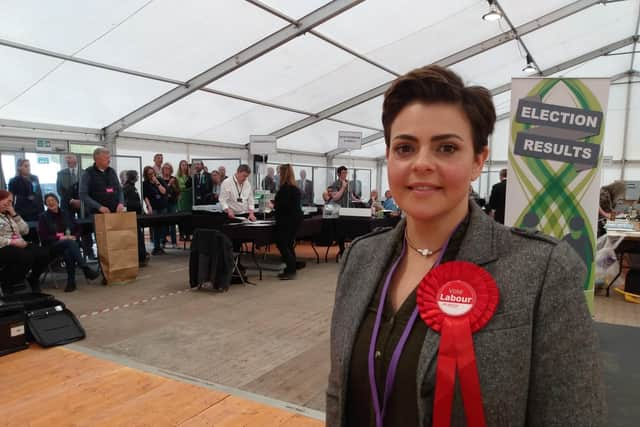
The council welcomed Yorkshire Water’s pilot plan to jointly manage local reservoirs in Calderdale for flood mitigation, and scrutiny work done by councillors headed by Coun Kimber was important, said Coun Patient.
Their recommendations include identifying a council officer as a first point of contact for waterway pollution issues, making funding available for highways work with gulley cleaning in consideration, expanding use of sustainable drainage systems, exploring external funding opportunities and look at approaches taken by other councils to combat waterway pollution.
It should also continue working with local landowners, farmers and stakeholders on land management to enhance water quality and management, and educate residents and business owners on steps that can be taken to reduce waterway pollution.
Pro-active engagement with Yorkshire Water to undertake “meaningful” work with a specific focus on reducing pollutants in waterways should be undertaken.
This should include joint development of a detailed work schedule outlining key actions and time frames to see improvements, recommended the scrutiny councillors.
Coun Patient said Yorkshire Water had willingly participated in that scrutiny process.