
Hardcastle Crags: Trial to tackle UK’s ‘prettiest invasive species’ in Yorkshire an early success
A biological trial to tackle one of the UK’s most pervasive and iconic invasive species has shown early success, says Yorkshire Wildlife Trust.
Instantly recognisable for its pink flowers, Himalayan balsam has rapidly become one of the UK’s most invasive weed species and is found extensively along riverbanks, road and rail routes.
The plant can cause erosion along riverbanks and grow to heights of up to three metres, smothering all other native plant species in the area.

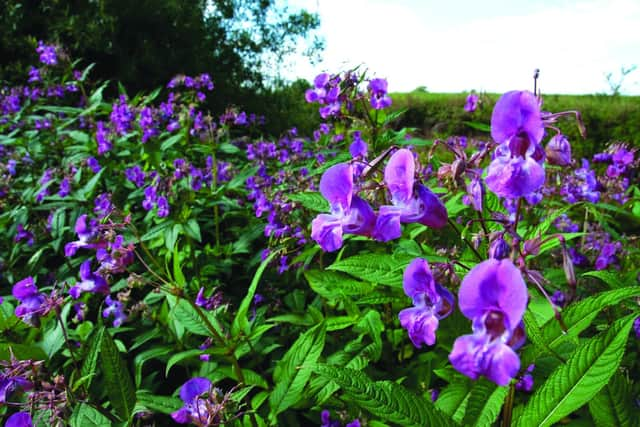

As a result, controlling the spread by manually removing plants has historically been a labour-intensive process. In 2025 it took Yorkshire Wildlife Trust, which leads the Yorkshire Invasive Species Forum, 700 hours across two months of work.
An alternative method of biological control, which involves the release of rust fungus – a natural enemy of the plant found across its native range in India and Pakistan – has now been trialled at sites across Yorkshire through collaboration with CABI, the National Trust and Yorkshire Water.
Releases happened during summer 2024 and the rust has successfully survived the winter months, naturally re-infecting seedlings this year - meaning it has the long-term potential to help control the plant naturally.
Elliot Baxendale, project officer at Yorkshire Wildlife Trust, said: “We spend a lot of time managing Himalayan balsam infestations both on and off our reserves, a difficult task given its sheer quantity and how hard it is to reach.

"This rust fungus trial – especially now we know it has managed to survive a Yorkshire winter – represents a truly exciting and game changing opportunity for managing this highly invasive and destructive species.
“We have 193 invasive non-native species in Yorkshire alone, and the annual cost of managing INNS in the UK is measured at around £4 billion. In fact, INNS are the second biggest cause of habitat loss worldwide after habitat destruction for development.”
National Trust Countryside Manager Rosie Holdsworth said: “We’re thrilled that Hardcastle Crags has been selected as a trial site for rust fungus, and even more delighted that the fungus appears to be thriving here.
"It has successfully overwintered and is showing real promise in helping to control Himalayan balsam.
"These early results are very encouraging, and we’re excited to monitor how the fungus continues to suppress balsam growth in the coming seasons.”
Dr Steph Bradbeer, lead ecologist at Yorkshire Water, said: "Invasive species cause significant impact to our environment and we need to work towards a coordinated and effective way to manage and limit their impact.
"The rust fungus trial presents a new opportunity to compliment and enhance the control management of invasive Himalayan balsam in Yorkshire."
Yorkshire Wildlife Trust Trust has released the rust fungus as a trial on three sites within the Calder catchment and one in the Colne catchment through funding from the National Highways Environment and Wellbeing Designated Fund as part of the Network for Nature programme.
Additional funding from Defra through the Defending the Derwent Project has also seen a successful release at Yorkshire Wildlife Trust’s Wheldrake Ings nature reserve by the Yorkshire Derwent Catchment Partnership, where there are now plans for an additional release.