
In My View column with Jordan Baker: Caring for Stoney Royd as a community
Opened in 1861 and laid out by landscape designer Edward Milner, Stoney Royd Cemetery remains one of northern England’s finest surviving examples of a picturesque Victorian burial ground. Its sweeping views and winding pathways form Halifax’s largest burial site.
Today, the Grade II listed park and garden, and the resting place of 79 commonwealth war graves, continues to serve families and is jointly cared for by Calderdale Council’s Bereavement Services and volunteer group The Friends of Stoney Royd.
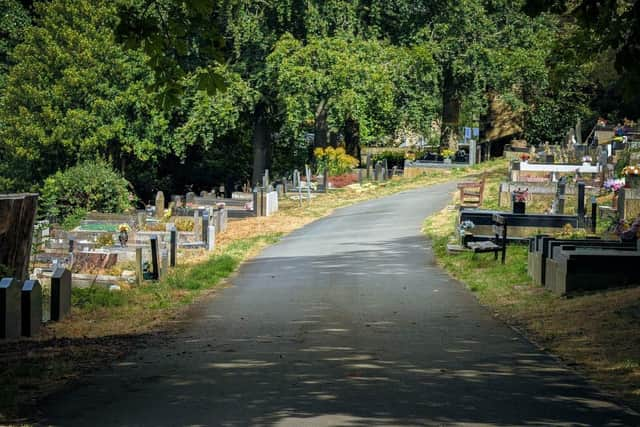

Founded in August 2025 by local resident Krzysztof‑Piotr Pawel Wojtyla, The Friends group began from his wish for deeper community guardianship.
“My late grandparents are buried here…I want the community to feel pride in it and to know it’s cared for,” he said.
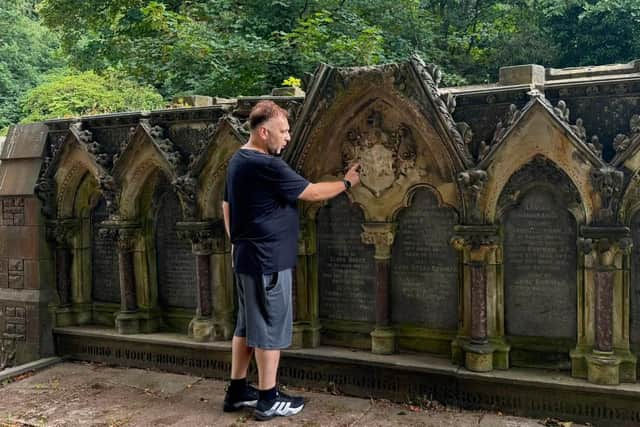
What started as one person’s commitment has grown into a team of 12 active volunteers and a wider network of over 550 supporters through their Facebook page.
Members include residents, family historians, conservationists and nature lovers, all united by a desire to protect this peaceful and significant part of Halifax’s heritage.
“We’re committed to preserving the site. Any damage or concerns we find are reported straight to the Council, and anything historically interesting is documented. It’s all about respect, care and continuity.”
The Friends’ work often involves uncovering what time has hidden. Recently, volunteers uncovered several graves belonging to the Passionist Order near the derelict Catholic chapel. After contacting the Sisters of the Cross and Passion, Krzysztof was entrusted with caring for the Passionist Sisters’ graves, a responsibility he describes as “an honour and a privilege".
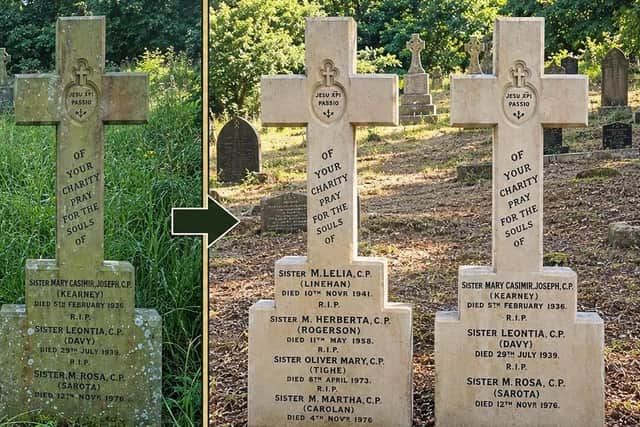
Their work extends far beyond tidying and maintenance. Volunteers regularly rediscover old pathways, memorials and sections of the cemetery that have been concealed for decades, bringing forgotten stories back into public memory.
Their newest initiative, the Find a Grave Project, aims to photograph, transcribe and index memorials so families and researchers can search burial records online. More volunteers are needed to photograph headstones, explore burial registers, delve into newspaper archives or help trace family histories.
Stoney Royd is home to stags, deer, hedgehogs and foxes. To support this ecosystem, volunteers have installed seven bird‑feeding tables, encouraging biodiversity and offering visitors quiet moments with nature.
As part of this year’s Heritage Open Days Festival (September 11-20), the Friends will host their first official heritage walk on Saturday, September 12 at 10am, exploring prominent local figures, clergy, commonwealth war graves, forgotten memorials, links to the former St Luke’s Hospital and ongoing restoration work.
The Friends also plan gentle, reflective events throughout the year. Updates and history can be found on their Facebook page.
They welcome new volunteers passionate about heritage, nature, photography or research. If you’d like to get involved, they’d love to hear from you.
Visit: www.stoneyroydcemetery.co.uk