
Political opinion column with Councillor Jane Scullion: Don’t be fooled, stay safe in a digital world
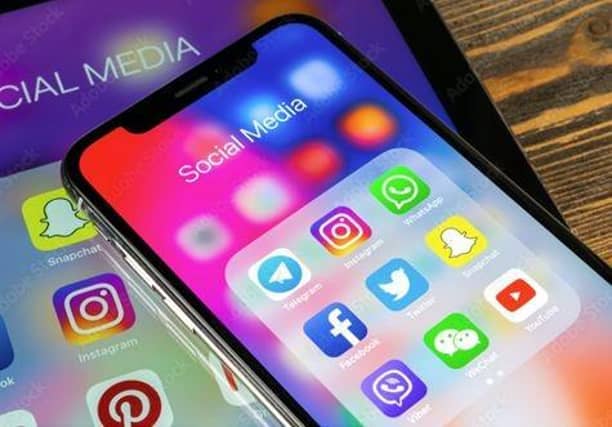

What did you do on New Year’s Eve? I hope that you weren’t one of the hundreds of people who drove to Birmingham city centre hoping to see a fireworks display that didn’t actually exist. They had fallen victim to false news online, for the second year running.
Folk had reposted the false news about spectacular displays on social media again and again without checking. That well-known saying about lies going round the world before truth has time to get its boots on seems very timely these days.
And we heard last week that although more people are turning to social media and online artificial intelligence (AI) sources for health or financial advice, studies show that often the information they get is inaccurate or out of context, and even potentially harmful. And we know that people who are anxious, or vulnerable, can easily fall for miracle health cures or get rich quick schemes.
I was also appalled to read that that a popular artificial intelligence chatbot has been generating faked photographs including sexually suggestive images of minors, raising alarm bells with regulators. Ofcom, the UK media regulator, has written to the operator complaining about these so-called ‘nudification’ apps and citing the Online Safety Act, but I really don’t think that is strong enough.
We are now used to online shopping and banking, and more confident about how to avoid getting stung, but we are only just beginning to wake up to the problems of misinformation, disinformation and negativity that social media is delivering.
Misinformation is when people unwittingly pass on something that just isn’t true, like the Birmingham fireworks story, and disinformation is when people deliberately distort things with a view to manipulation: some financial or political stories, for example. And negativity, well we’ve all seen the harmful, abusive comments brimming with hate from anonymous posters, no matter the subject. Not good.
What happens online is becoming more important. A 2024 Ofcom report showed that 88 per cent of 16-24 year olds use online sources like TikTok and YouTube for news, spurning traditional sources like television, radio and local newspapers, but even older people are turning to online news sources.
Some of us are making an effort to get more tech-savvy, rather than just passively consuming what is delivered to the phones in our hands. We know about things like ‘click-bait’ – lurid dramatic headlines designed to get you to click, and we know more about algorithms – when the media knows what you have looked at and serves you more and more of the same thing.
I believe that the media companies need to be held to account and that they have a duty of care, especially to young people, but I think we also have a responsibility to tackle this as well. Challenge what you see, check it elsewhere, ask questions and think twice before you repost something.
We must challenge disinformation early because we know that hate and negativity can spread faster than positivity or facts. Make 2026 a year in which you stay real and digitally safe.