
What is Ramadan: Calderdale Council of Mosques chair explains why Muslims are fasting as holy month begins
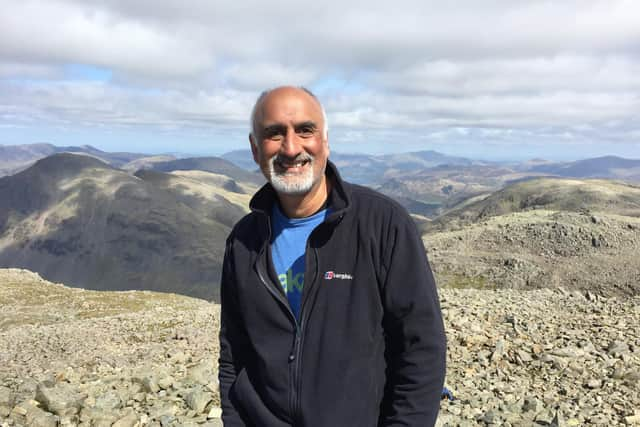
Nadeem Mir, chair of Calderdale Council of Mosques, explains Ramadan as holy month of fasting begins.
“What, not even a sip of water??!”
That’s a typical aghast response that I get from my non-Muslim friends when I tell them I am fasting because we are in the holy month of Ramadan.
Fasting is a special form of worship that the Quran tells us is “prescribed to you just like it was prescribed to people before you" – The Holy Quran Chapter 2: Verse 183.
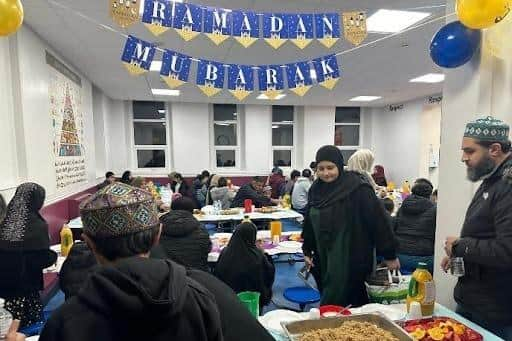

Ramadan is the holiest month in the Islamic calendar and is observed by Muslims worldwide. It is a month of fasting, prayer, reflection, charity and community service and engagement – all with the purpose of achieving greater God consciousness and heightened self-awareness.
This year, Ramadan is due to start on or around March 1 and end on March 30 or April 1.
Now that’s a whole new article in itself - why the uncertainty of dates?
In a nutshell, Islamic events are governed by the lunar calendar and hence it is the sighting of the new crescent moon that determines the precise dates for the celebration and holy days.
During Ramadan, it is obligatory for all males and females to fast for the entire month (29 or 30 days) so long as they have attained puberty and are in good health.
But what exactly are you abstaining from? Unlike the Lent fast, a Muslim fasting in Ramadan will refrain from all food, drink, smoking and sexual relations between dawn and sunset – a total abstention of all desires physical and sexual.
There are notable exemptions for to the obligation to fast namely, someone who is ill, on a long-distance journey or going through their monthly menstrual cycle. In all these cases the fasts missed should be made up later.
One of the wisdoms of using the lunar calendar is that each year, the month will start 10 or 11 days earlier in the Gregorian calendar. Some have calculated therefore, it will take Ramadan about 33 years to move through the seasons from January to December and thus an average adult Muslim will have experienced fasting in all four seasons of the year.
This helps to allow people to appreciate even more the blessings of the fast and the concept of empathising with other people across the world who are fasting throughout the year, not through choice and adherence to faith but due to tragic circumstances and acute poverty. It is this concept of thinking about others that captures the ‘spirit of Ramadan’.
My hope and prayer this Ramadan is that God almighty instils in all of us the ability to understand each other and opportunity to really share Ramadan in a way that hasn’t been experienced before.