
Bronte Society raises concerns over giant wind farm's potential impact on literary heritage
The Bronte Society has expressed concerns about the potential impact of a proposed giant wind farm, saying there is an “inseparable connection” between local moorland and literary heritage.
The society, a membership-based literary charity dating to the late 19th century which owns and runs the Bronte Parsonage Museum in Haworth and looks after its collections to promote interest in the Bronte family and their works, was responding to Calderdale Energy Park’s (CEP) proposals for peatland located between Hebden Bridge and Haworth.
The company plans to put 34 giant wind turbines on Walshaw Moor, which is located between Hebden Bridge and Haworth, the village associated with the Bronte sisters.
The company says the turbines will generate enough low carbon electricity to power 198,000 homes a year.
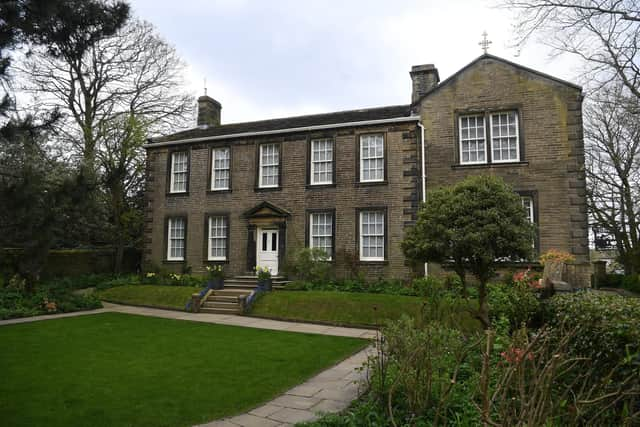

But the proposals have met with strong resistance from campaigners concerned about potential damage to peatland and loss of moorland habitat which is home to birds.
Energy Secretary Ed Miliband will ultimately decide whether or not the controversial application is given the green light.
The Bronte Society’s response was given to the recent statutory consultation CEP held on the proposals.
The society said while they have a commitment to environmental sustainability and renewable energy, they “are strongly opposed to this development”, with concerns about the preliminary environmental information report (PEIR) – a key document in the consultation on the impact of the development on moorland.
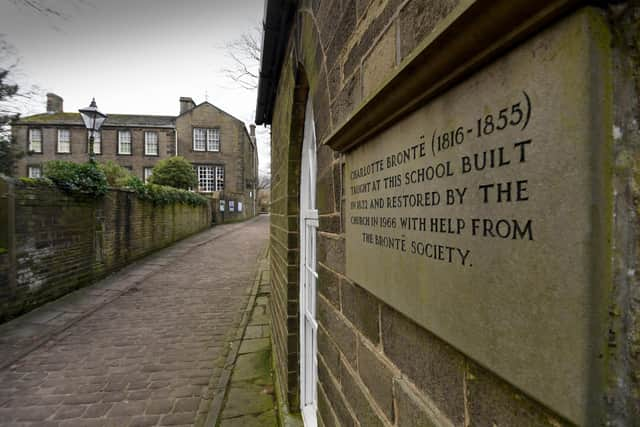
Reporting details of objections on the Parsonage Museum’s social media, they said: “The PEIR does not contain the baseline evidence for any assessment of the effect on Bronte heritage of the proposal and simply claims that ‘effects on the Bronte-related landscape are minor and not significant’.
“We strongly dispute this claim: the moorland between Haworth and Hebden Bridge allows the literary tourist to physically travel through the landscapes of the Brontes’ imaginations and the worlds of their novels and poetry.
“This link between the Bronte texts and the surrounding landscape was noted by Virginia Woolf when she visited Haworth in 1904.
“Woolf, along with the 70,000 visitors who visit the Brontë Parsonage Museum from across the world each year, clearly understood the inseparable connection between the local landscape and the Brontës, a connection which cannot be dismissed.”