
Planning application: Plans for battery energy storage in North Halifax receives 400 objections
Planning councillors are advised to permit a controversial battery energy storage system (BESS) plant in a part of north Halifax when they meet later this month.
Masdar Arlington Energy wants to build the store and associated infrastructure including access, drainage, security measures and landscaping next to the Sidhil Business Park at Holmfield.

Calderdale Council’s Planning Committee will consider the application when they meet on Monday, April 28.
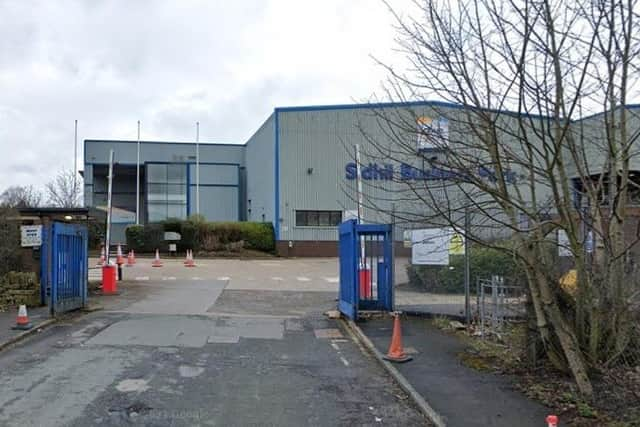

Of more than 400 representations received about the application, all bar four are objections, including one from Halifax MP Kate Dearden (Labour).
Fire safety, noise – the plant would be in the same area as the infamous and unidentified “Holmfield Hum” which some though not all residents say hampers their health – and other physical and mental health implications, potential impacts on traffic and roads, how nature might be affected and proximity to some heritage settings and flood risk fears, are among concerns they raise.
Residents question whether the site is appropriate for a battery storage system.
They say they are worried about it being sited next to residential properties, a school and an industrial estate.
Planning councillors recently approved another battery energy storage site submitted by another company, but that was in a more rural area near Southowram.
The proposal counter argues that once built traffic impact will be minimal, if equipment exceed the limits in any approved parameter plan, a new planning application would be required, and that BESSs are temporary in nature with a lifespan of around 40 years and following this the proposed development site would then be decommissioned.
Although allocated as an employment site, the application does demonstrate special circumstances and should be approved, say planning officers, recommending councillors approve the plans.
Impact on nearby heritage buildings would be minimal, they argue.
On impact on neighbours, “the proposed site is in an isolated setting from residential properties and would not create any material loss upon amenities to any neighbouring properties in terms of overlooking, overshading or loss of privacy,” say officers.
Drainage systems for contaminated water in event of a fire would ensure water supplies were not contaminated.
Any sudden change in temperature would alert the control room and the system would automatically be immediately shut down.
Batteries would have inbuilt cooling systems with automated fail-safe operation, they argue.