
Autumn at Hardcastle Crags: Things to look out for on your next visit to Hebden Bridge beauty spot
The changing leaves and beautiful colours aren’t the only thing to look out for at Hardcastle Crags this autumn.
There are lots of seasonal changes happening at Hardcastle Crags throughout the season, as its wide variety of plants and wildlife prepare for the winter ahead.
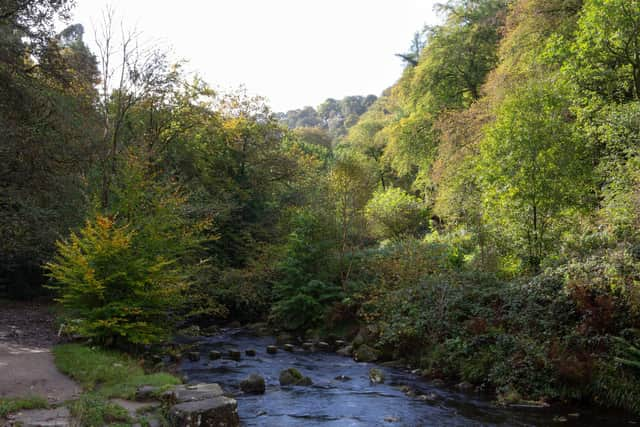

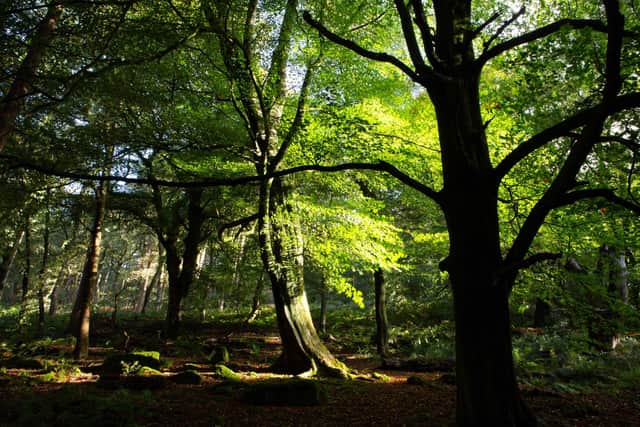
The National Trust site offers visitors 400 acres of beautiful woodland with more than 15 miles of footpaths to explore.
There are less visitors this time of year, so now is an ideal time to visit to capture the changing leaves while enjoying a quieter visit.
Rosie Holdsworth, Countryside Manager for Hardcastle Crags, said it is a “really important site” for specific grass and fungi, and said visitors will notice lots of fungi in the woodland.
She said: “In the woodland the fungi is popping up absolutely everywhere.”
The National Trust says the fields around Hardcastle Crags are home to some “incredibly rare” species of fungi, with the surrounding meadows and grasslands “incredibly important” for biodiversity.
One rare species of fungi to look out for at Hardcastle Crags is the Jubilee Waxcap, which visitors might spot in the grasslands of the site.
This year at the site, squirrels have been particularly enjoying the fungi due to there being less acorns this year, and visitors might spot some upside down mushrooms which have been picked by the squirrels.
It is normal for oak trees to produce differing amounts of acorns year to year, Rosie said.
As one of the tree species which has a mast year — a year when the tree produces a bumper crop — there are some years when the oak tree produces much fewer acorns.
The oak tree had a mast year last year, so it is unsurprising that there are less acorns about this year.
While there might be fewer acorns to see, the beech tree is having a mast year this year, and visitors will spot plenty of beech masts about the site, which can be recognised by their four-pronged-star shaped husks.
Holly is also thriving at the site at the moment.
Hardcastle Crags is home to a wide variety of interesting wildlife, including massive colonies of the northern hairy wood ant which can be found in the woodland.
The ants live in nests which can be up to six feet tall, with a maze of tunnels which extend a couple of feet underground.
This time of year could be your last chance to spot them before they hibernate for the winter and spring.
The site is also home to eight species of bat, including West Yorkshire’s largest roost of pipistrelle bat, which will also soon go into hibernation.
This time of year, the site sees fewer visitors, and it is also a time when birds are not nesting and the trees go dormant.
It is therefore a good time for the site’s team to carry out important work, and visitors might spot them while out and about.
This work includes woodland thinning, extraction and restoration work.
A focus of the work is on increasing light levels in the woodland, reducing dominance of certain species and encouraging flora on the woodland floor, which can also help with flood management.
The site is in its final year of its 10-year woodland management plan, which aims to increase opportunities for local wildlife, slow the flow of water across the land to help reduce flooding, and reduce the site’s carbon footprint.
This year, the country experienced its warmest summer of record, as well as the driest July on record.
This not only impacted plants and wildlife at the site, but also the site’s facilities.
Infrastructure at Hardcastle Crags is run completely off-grid — meaning it is not connected to mains power, water or the sewage network — and powered by renewable energy sources.
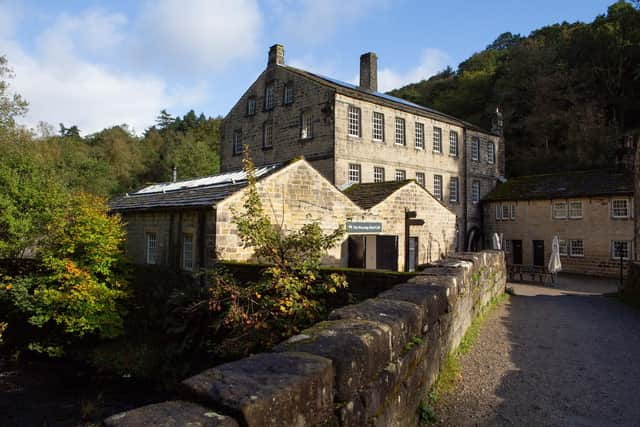
Gibson Mill — a 19th century building within the site — was the first National Trust property to be made completely off-grid, and sources its energy via a hydro-electric system, solar panels, and a log-burning stove fuelled by wood from the site.
One such impact of the warm weather and low rainfall was on the site’s springs — the water supply for the site’s mill and cafe — which dried up as a result, impacting several facilities, such as hand washing and access to hot drinks.
Although this is not the first time the spring has dried up, the site’s team said it is becoming more frequent, now happening every one to two years.
To be sure of a quieter visit, the site recommends visiting during the week.
From November, the cafe will open from Friday to Sunday.
More information about planning a visit to Hardcastle Crags can be found at: https://www.nationaltrust.org.uk/visit/yorkshire/hardcastle-crags